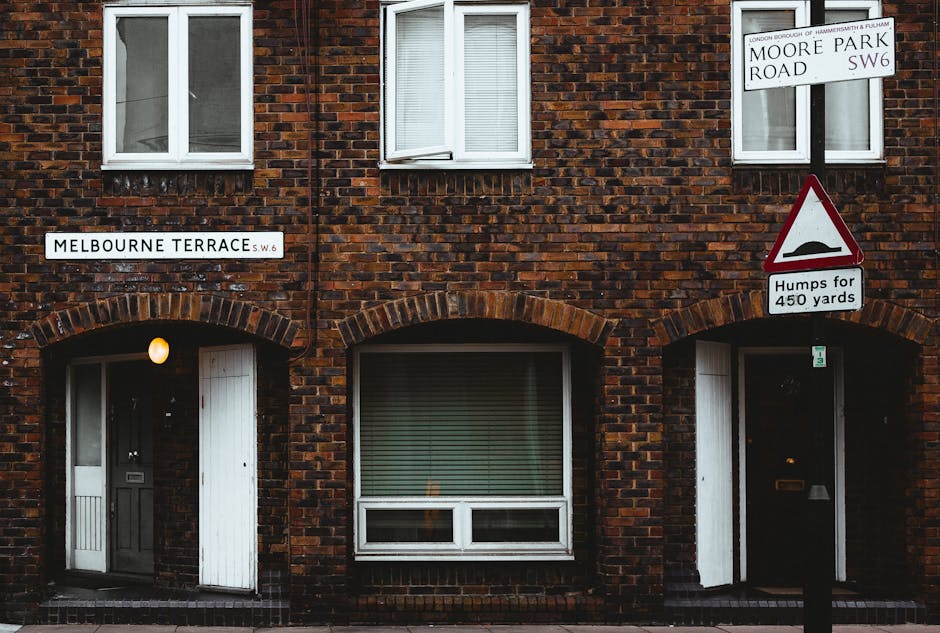
Best gardeners in Fulham SW6 for small front gardens
If you live in Fulham and your front garden is more "compact London welcome" than sprawling suburban plot, you already know the challenge. A small frontage can look charming, but only if it is kept tidy, well planted, and proportioned properly. The best gardeners in Fulham SW6 for small front gardens understand that a few square metres still need real design thinking: the right planting, the right maintenance rhythm, and enough restraint to stop the space feeling crowded. That is the difference between a front garden that lifts the whole house and one that quietly annoys you every time you come home.
This guide explains how to choose a gardener for a small front garden in Fulham, what good work should look like, what to ask before booking, and how to avoid paying for overwork or underplanning. It is practical, local, and designed to help you make a confident decision without the usual fluff.
Table of Contents
- Why this matters for small front gardens in Fulham SW6
- How the service works in practice
- Key benefits and practical advantages
- Who it is for and when it makes sense
- Step-by-step guidance
- Expert tips for better results
- Common mistakes to avoid
- Tools, resources and recommendations
- Law, compliance, standards and best practice
- Options, methods and comparison table
- Case study or real-world example
- Practical checklist
- Conclusion
- Frequently asked questions
Why Best gardeners in Fulham SW6 for small front gardens Matters
Small front gardens are deceptively demanding. There is less room for error, less tolerance for awkward plant choices, and not much space to hide tired paving or patchy borders. In Fulham SW6, where many homes have narrow frontages, modest courtyards, or short front plots, the garden is often one of the first things people notice. It frames the property before anyone steps inside.
That makes the work more than "just gardening". A good front garden can soften brickwork, improve kerb appeal, and create a calm arrival point. A poorly maintained one does the opposite. It feels cluttered, a bit neglected, maybe even harder to live with because every weed and overgrown shrub is always there in your line of sight.
There is also a practical angle. Small gardens need maintenance plans that are realistic. If pruning is done too late, evergreen structure can swallow the space. If planting is too fussy, routine care becomes a chore. If a front path is shaded, you need plants that can handle it. The best gardeners in Fulham SW6 for small front gardens know how to work with these constraints instead of fighting them.
Expert summary: In a small front garden, good gardening is mostly about proportion, timing, and restraint. You want a space that looks intentional in every season, not one that keeps needing rescue.
How Best gardeners in Fulham SW6 for small front gardens Works
For a compact front garden, the process usually starts with a quick assessment rather than a generic tidy-up. A skilled gardener will look at light levels, drainage, access, soil condition, existing planting, and how the space is actually used. Is it a purely decorative frontage? Do you need room for bins, bikes, or a step-free route? Are there roots, poor soil, or self-seeded shrubs causing problems? These little details matter more than people expect.
From there, the work usually falls into a few clear stages:
- Initial review - checking the layout, condition, and maintenance history.
- Cut-back and clearance - removing dead growth, weeds, debris, and anything that is making the space feel overfull.
- Shape and structure - pruning shrubs, defining edges, and restoring balance.
- Planting decisions - choosing species that suit shade, sun, size, and the amount of maintenance you want to take on.
- Surface and finish work - refreshing mulch, tidying paths, and making sure the front garden looks finished rather than merely cut back.
In many cases, a front garden in SW6 benefits from a light but regular maintenance schedule rather than a dramatic seasonal overhaul. To be fair, that is often the best-value approach. A small amount of consistent work prevents the kind of "how did it get like this?" moment that only appears after six weeks of busy weather and zero attention.
If you are comparing providers, it helps to look beyond the phrase "garden maintenance" and ask what they actually do for compact spaces. Do they understand front boundary lines, low hedging, shaped planting, and clean finishes? That is the real test.
Key Benefits and Practical Advantages
When a small front garden is managed properly, the benefits are immediate and surprisingly broad. The most obvious is visual appeal. A neat frontage simply makes the whole house feel more cared for. But there is more going on than appearance alone.
- Better kerb appeal: A tidy front garden makes a property feel more welcoming and more finished.
- More usable space: Good planning stops small gardens from feeling cramped or awkward.
- Lower long-term effort: The right plants and pruning rhythm reduce constant firefighting.
- Cleaner boundaries: Edges, paths, and planting beds look sharper when they are maintained with purpose.
- Healthier planting: Better light management, feeding, and trimming improve plant performance.
- Less waste: A thoughtful gardener will usually prune less destructively and avoid needless removal.
There is also a quieter benefit. A small front garden that feels calm and organised changes how you arrive home. It sounds a bit sentimental, perhaps, but it is true. You notice it on a wet Tuesday evening when the light is fading and the path is clear, the shrubs are in shape, and nothing is spilling into the walkway. Tiny things. They matter.
For landlords and homeowners alike, a well-kept frontage can also reduce the pressure to do reactive jobs later. A gardener who keeps an eye on growth and seasonal shifts will often spot issues before they become expensive fixes. That is the kind of practical value people usually want, even if they do not say it out loud.
Who This Is For and When It Makes Sense
This service is a strong fit if your front garden is small, visible, and getting harder to manage without regular help. That could mean a little strip of planting outside a terraced house, a compact Victorian frontage, a paved area softened by pots, or a narrow entrance garden that has started to look a bit scruffy around the edges.
It also makes sense if:
- you want the front of the property to look neat all year round
- you do not have time for pruning, weeding, and seasonal resets
- your existing planting is too large for the space
- the garden is shaded and you need better plant choices
- you want a more polished look before selling or letting a property
- you have inherited an overgrown front garden and do not know where to begin
It is not only for people who want "fancy landscaping". In fact, many of the best results come from simple, restrained work. A modest front garden can look excellent with the right pruning and a few smart planting adjustments. No drama. No overdesign. Just good judgement.
If you are unsure whether you need one-off help or ongoing care, think about how quickly the space gets untidy. If the answer is "very quickly", then a maintenance plan usually makes more sense than occasional rescue visits.
Step-by-Step Guidance
If you are hiring a gardener for a small front garden in Fulham, a structured approach will save time and reduce disappointment. Here is a sensible way to go about it.
- Walk the space yourself first. Notice where the garden looks crowded, dull, patchy, or difficult to reach. Look from the street as well as from the doorway.
- Make a short list of priorities. For example: cut back shrubs, improve the border, reduce weeds, freshen the entrance, or simplify the planting.
- Ask how they approach small spaces. A good gardener will talk about proportion, light, access, and maintenance rather than giving a one-size-fits-all answer.
- Request a written quote or clear breakdown. You should understand what is included, what is not, and whether waste removal is part of the job. If you want more detail on this, the site's pricing and quotes guidance is useful.
- Discuss timing. Some tasks are best done in spring or early autumn; others can be handled at almost any time depending on weather and plant condition.
- Agree on the finish. Small gardens need a crisp result. Edges, paths, pots, and borders should feel deliberate, not half-done.
A simple question often reveals a lot: "What would you do first if this were your own front garden?" If the answer is thoughtful and specific, that is a good sign. If it sounds vague, keep looking. Easy as that.
Expert Tips for Better Results
The best gardeners do not just tidy; they edit. That is a useful way to think about small front gardens. The aim is to remove what is fighting the space and strengthen what already works.
Choose plants that respect the scale
In compact gardens, oversized shrubs can dominate fast. Favor smaller, slower-growing, or naturally compact varieties where possible. Layering also matters. One bold plant, one mid-level shape, and a low edge can work far better than five competing features.
Keep sightlines clear
In a front garden, the eye needs somewhere to rest. If everything is dense, the space feels busy. A clear edge, a clean path, or a small uncluttered bed can make the whole area feel bigger. That is one of those little design tricks people notice without necessarily knowing why.
Use restraint with colour
It is tempting to keep adding more. More flowers, more pots, more texture. But a small frontage can become messy quickly. Two or three plant tones, repeated carefully, usually create a more elegant result than a rainbow of mixed planting. Less noise. More structure.
Plan for maintenance, not just the first week
Some front gardens look lovely for ten days and then become a burden. The right approach balances beauty with upkeep. If you do not want constant deadheading or weekly trimming, say so early. A decent gardener will adapt the plan.
Don't ignore the hard surfaces
People focus on planting, but paving, steps, walls, and edging shape the impression too. A narrow front garden with weeds between slabs can look tired even if the planting is fine. Clean lines matter. A lot.
For homes near busier roads, a slightly tougher planting palette can also help. Dust, shade, and occasional foot traffic mean the garden needs to be resilient, not delicate for the sake of it. Beauty and durability can absolutely coexist. They should, really.
Common Mistakes to Avoid
Small front gardens often go wrong in very predictable ways. The good news is that most of them are avoidable.
- Choosing plants that outgrow the space: This is probably the most common issue. A shrub that seems fine in year one can overwhelm the frontage by year three.
- Overfilling the garden: Too many pots, too many heights, too many textures. The result is clutter, not character.
- Ignoring shade or drainage: A plant that loves sun will sulk in a north-facing front garden. Likewise, soggy soil changes everything.
- Using a generic maintenance plan: A compact front garden needs more tailored work than a larger back garden.
- Skipping the edges: Untidy borders, broken edging, and weeds at the path edge make the whole space look unfinished.
- Assuming a cheap cut-back is enough: Sometimes it is. Often it is not.
Let's face it: front gardens are visible every single day, so half-fixes tend to annoy you more than back garden issues. You see them when you leave, when you return, and usually when someone else is standing at the gate waiting for you. No pressure, then.
Tools, Resources and Recommendations
You do not need a huge amount of kit for a small front garden, but the right tools make a noticeable difference. A careful gardener will usually rely on clean, sharp, well-maintained tools rather than brute force.
| Task | Useful tool or approach | Why it matters |
|---|---|---|
| Pruning shrubs | Sharp secateurs or hand loppers | Gives a cleaner cut and helps avoid tearing stems |
| Border definition | Half-moon edger or edging tool | Makes a small garden look immediately more intentional |
| Weed control | Manual removal and regular follow-up | Stops weeds from returning as fast |
| Soil improvement | Mulch, compost, or well-chosen top dressing | Helps retain moisture and improves appearance |
| Ongoing care | Seasonal maintenance plan | Keeps the garden from swinging between neglected and overworked |
If you are comparing providers, it is worth looking at how they handle service standards and customer confidence more broadly. Pages like about us, insurance and safety, and health and safety policy can help you understand how seriously a company treats working practices. For payment clarity, payment and security is worth checking too.
And if you care about what happens to green waste, ask about disposal and reuse. A good provider should be able to explain their approach to recycling and sustainability in plain English, not bury it in jargon.
Law, Compliance, Standards, or Best Practice
For ordinary front garden maintenance, there is usually no complicated compliance process for a homeowner. Still, there are sensible best-practice considerations that good gardeners should follow. Waste should be handled responsibly, tools should be used safely, and work should be carried out with care for neighbours, pathways, and access points.
If the job involves ladders, power tools, or heavier clearance, a proper safety-minded approach matters. That includes basic risk awareness, tidy work areas, and clear communication about any hazards on site. You do not need legalese. You do need someone who behaves professionally and thinks ahead.
For shared boundaries, front paths, or areas close to public access, it is wise to keep the work neat and avoid overhanging growth, trip hazards, or blockages. In London, that practical, considerate approach usually matters as much as the garden outcome itself.
It is also sensible to confirm whether the provider has appropriate insurance and follows recognised working practices. If something feels uncertain, ask. A reputable company should not mind explaining. In fact, they should welcome it.
Options, Methods, or Comparison Table
When managing a small front garden, most people are choosing between three broad approaches: one-off tidy-up, seasonal refresh, or ongoing maintenance. Each has its place.
| Approach | Best for | Pros | Watch out for |
|---|---|---|---|
| One-off tidy-up | Overgrown or neglected fronts | Fast reset, immediate improvement | May not stay tidy for long without follow-up |
| Seasonal refresh | Gardens that are basically sound but need shaping | Good balance of effort and cost | Needs sensible timing and honest planning |
| Ongoing maintenance | Visible front gardens that must always look presentable | Best long-term consistency | Requires regular visits and a clear scope |
For many Fulham homes, the seasonal refresh is the sweet spot. It gives the garden a proper reset without the expense or commitment of weekly attention. That said, if your frontage is highly visible or quickly becomes unruly, ongoing care usually pays for itself in reduced stress alone.
Case Study or Real-World Example
Imagine a narrow front garden on a Fulham terrace: a small paved path, a shallow border beside the steps, one mature shrub, a couple of tired pots, and weeds pushing through the edging. On paper, it looks simple. In reality, the space feels busier than it should because everything is competing for attention.
A well-judged gardening visit would probably start by clearing the border, reducing the shrub to a manageable shape, removing anything dead or overcrowded, and resetting the edge so the path feels wider. The pots might be reduced to one or two stronger ones rather than left as a jumble. Then a mulch or clean top layer helps the bed read as a deliberate design rather than a patch of leftover soil.
The change is often subtle, but you feel it straight away. The front door becomes easier to notice. The path feels less squeezed. The house looks calmer from the street. Not flashy. Just better. And, honestly, that is usually what people actually want.
Practical Checklist
Use this checklist before booking a gardener for a small front garden in Fulham SW6.
- Have I identified the main problem: overgrowth, poor structure, weeds, or awkward planting?
- Do I know whether I want a one-off job or ongoing maintenance?
- Have I checked what is included in the quote?
- Do I know whether waste removal is covered?
- Have I told the gardener about shade, drainage, access, or narrow entry points?
- Have I asked how they approach small spaces specifically?
- Have I discussed safety, insurance, and working practices?
- Do I have a rough idea of how much upkeep I want after the visit?
- Have I looked at the company's terms and conditions and complaints procedure if I want extra reassurance?
- Am I clear about the result I want the front of the house to give off: neat, minimal, welcoming, or more planted?
One useful habit: take a quick photo of the garden before work starts. It helps you and the gardener judge the improvement properly afterwards. A tiny thing, but useful.
Get a free quote today and see how much you can save.
Conclusion
The best gardeners in Fulham SW6 for small front gardens are the ones who understand scale. They know that small spaces need discipline, not just enthusiasm. They can make a frontage look calm, polished, and genuinely welcoming without crowding it or overcomplicating the job.
If you choose well, you will get more than a neat border or a short-lived tidy-up. You will get a front garden that works with the house, suits the street, and stays manageable. That is the real win. A good small front garden should make daily life easier and the property look quietly cared for, which is no small thing in a place like Fulham.
And if you are still weighing up options, start with clarity: what do you want the space to do, how much upkeep can you realistically keep up with, and what kind of finish will feel right every time you come home? Once that is clear, the rest gets much easier.
There is something genuinely satisfying about a front garden that just feels right. Simple, neat, alive. A little London moment of order.
Frequently Asked Questions
What should I look for in gardeners for a small front garden in Fulham SW6?
Look for someone who understands compact spaces, works neatly, and can explain how they would improve proportion, planting, and maintenance. Small gardens need judgement as much as labour.
Is a one-off tidy-up enough for a small front garden?
Sometimes, yes. If the garden is basically healthy and just needs a reset, a one-off tidy-up can be enough. If it grows back quickly or needs regular shaping, ongoing maintenance is usually better.
How often should a small front garden be maintained?
That depends on plant choice, growth rate, and how visible the garden is. Some spaces only need seasonal attention, while others benefit from more regular visits. A gardener should recommend what fits the garden, not a template.
Can a small front garden actually look bigger after gardening work?
Yes. Clearing overgrowth, simplifying planting, improving edges, and keeping sightlines open can make a small garden feel noticeably larger and less cluttered.
What is the biggest mistake people make with front gardens?
The most common mistake is planting or placing too much for the available space. A small front garden often looks best when it is edited down, not filled up.
Do I need to provide tools or materials?
Usually not, unless you have a specific preference. Many gardeners bring their own tools. If materials such as mulch or plants are needed, ask how that will be handled before the work begins.
How do I compare quotes fairly?
Check exactly what is included: pruning, weeding, edging, waste removal, planting, and follow-up work. A cheaper quote is not always better if it leaves key tasks out.
Is it worth improving a small front garden before selling a house?
Often, yes. A tidy and well-kept frontage creates a strong first impression, which can matter a lot when a buyer arrives. You do not need a full redesign; neatness and balance go a long way.
What plants work well in small front gardens in London?
That depends on light, soil, and maintenance preference. Compact, restrained planting is usually best. A good gardener should suggest plants that stay in scale and suit the conditions rather than simply looking attractive in a pot.
Should I worry about safety and insurance when hiring a gardener?
Yes, it is sensible to ask. A professional provider should be able to explain safety practices and insurance cover clearly. For more background, review the company's insurance and safety information.
What if I am not sure what I want the front garden to look like?
That is very common. A good starting point is to decide whether you want the garden to feel minimal, welcoming, planted, or ultra-low-maintenance. Even a rough direction helps the gardener make better decisions.
How can I get a better result from the first visit?
Share photos, explain what bothers you most, and be honest about how much ongoing maintenance you want. Clear communication makes a bigger difference than most people realise.
Where can I ask about pricing or next steps?
You can review the company's pricing and quotes page and then use the contact page if you want to discuss your front garden in more detail.