Top rated gardeners for Southwark riverside mews gardens
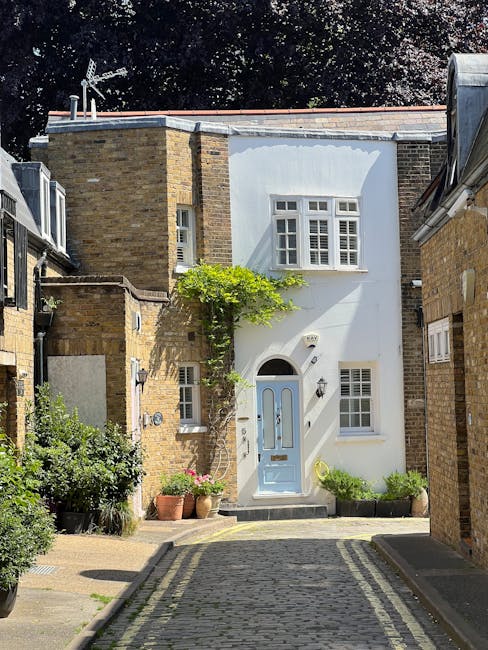
If you live in a Southwark riverside mews and the garden feels like it needs a proper reset, you are not alone. These spaces can be lovely, but they are also awkward in all the usual ways: narrow access, shade from neighbouring buildings, wind off the river, and planting areas that seem to dry out one week and get waterlogged the next. Finding top rated gardeners for Southwark riverside mews gardens is really about finding someone who understands those small but important details and can keep the space looking good without making your life harder.
This guide walks through what to look for, how professional garden care works, where the value is, and how to decide whether you need one-off help or regular maintenance. We will also cover practical mistakes to avoid, local best practice, and a simple checklist you can use before booking anyone in. Truth be told, a good gardener in a mews setting is worth their weight in compost.
- Why this matters
- How the service works
- Key benefits and practical advantages
- Who needs it and when it makes sense
- Step-by-step guidance
- Expert tips for better results
- Common mistakes to avoid
- Tools, resources and recommendations
- Law, compliance, standards or best practice
- Options and comparison table
- Case study or real-world example
- Practical checklist
- Frequently asked questions
Why Top rated gardeners for Southwark riverside mews gardens Matters
A riverside mews garden in Southwark is not a standard suburban plot. It tends to be more enclosed, more exposed in parts, and more demanding on time. That mix matters because the wrong maintenance approach can lead to patchy lawns, tired planting, moss on hard surfaces, and a general sense that the garden is always one step away from chaos. And nobody wants that, especially if the garden is visible from the kitchen or used as a quiet evening space after work.
What makes top rated gardeners stand out is not just neatness. It is judgement. They can look at a space and quickly tell whether the issue is soil compaction, poor drainage, overgrown shrubs blocking light, or simply a maintenance plan that never matched the garden in the first place. In a riverside setting, that judgement is everything.
There is also a very practical reason this matters: mews gardens often have limited room for storage, limited access for tools, and shared boundaries that need a careful touch. A careless cut here, a rushed clean-up there, and suddenly the job creates more friction than it solves. A skilled local gardener knows how to work efficiently in tight spaces and leave things tidy. That part sounds small, but it is not small at all.
Expert summary: In Southwark mews gardens, the best gardeners are the ones who combine plant knowledge, careful access planning, and a maintenance routine that fits the space rather than fighting it.
How Top rated gardeners for Southwark riverside mews gardens Works
In practice, professional garden care usually starts with a walk-through. A good gardener will look at the structure of the garden, not just the plants. They will notice where water sits, which areas get morning sun, where wind funnels through, and which plants are struggling for reasons that may not be obvious at first glance. That first assessment can be more valuable than a whole afternoon of random pruning.
From there, the work is usually split into one of three patterns:
- One-off tidy-up for a garden that has run away a bit and needs immediate attention.
- Seasonal refresh to cut back, replant, mulch, or repair planting beds at key points in the year.
- Regular maintenance for homes that want the garden kept in steady, presentable shape all year round.
Depending on the size and condition of the space, a gardener may handle hedge trimming, lawn mowing, edging, border weeding, patio cleaning, planting, soil improvement, and light garden clearance. For tougher jobs, they might also bring in specialist support through services such as garden maintenance, garden clearance, or even broader gardening services if the project has grown beyond routine upkeep.
In a mews setting, the best work tends to happen in layers. First, make the garden safe and accessible. Then deal with the structural jobs. After that, refine the appearance. It is a sensible order, and honestly the only order that avoids the garden looking half-finished for too long.
Key Benefits and Practical Advantages
There are obvious benefits to hiring top rated gardeners, but the lesser-known advantages are often the ones people value most after a few months.
- Better use of compact space. A small riverside garden can feel much bigger with the right layout, plant selection, and edge definition.
- Less stress. Regular maintenance stops the garden from becoming a looming weekend job that you keep putting off.
- Healthier plants. Good pruning, feeding, and watering habits reduce the chance of plants slowly declining for no clear reason.
- Improved privacy. In mews properties, screening can matter a lot. Thoughtful planting can soften views and make the space feel calmer.
- Cleaner outdoor surfaces. Moss, algae, and soil splash can build up quickly on paving and steps, especially in shaded corners.
- Better long-term value. A well-kept garden usually supports the wider impression of the property, which matters whether you are hosting, renting, or simply enjoying the place yourself.
There is a quieter benefit too: a garden that is genuinely looked after changes how you use it. People step outside more often when it feels welcoming. Tea tastes better out there. Conversations last longer. Slightly dramatic, maybe, but true.
Who This Is For and When It Makes Sense
This kind of service makes sense for a few different people. You might be a homeowner who wants the garden to look polished without sacrificing weekends. You might manage a property where first impressions matter. Or you may simply have a space that was beautifully designed at one point, but now needs someone with the right tools and patience to bring it back into shape.
It is especially useful if your garden has any of the following:
- narrow side access or awkward entry points
- shady corners and patchy lawn growth
- planters, raised beds, or structural planting that needs regular attention
- hard landscaping that collects dirt, algae, or leaf build-up
- views from neighbouring windows that make privacy more important
- plants that need pruning at the right time rather than whenever there is a spare hour
If you only need a light tidy once or twice a year, a one-off visit may be enough. If the space is used often, or if you are trying to keep it looking intentionally designed, then a recurring maintenance plan usually makes more sense. To be fair, gardens rarely get easier if you only look at them when they are already upset.
Step-by-Step Guidance
If you are trying to choose the right gardener or set the right scope of work, this simple process helps.
- Walk the garden and make notes. Look at what is overgrown, what is tired, what is working, and what you never seem to get around to.
- Separate the urgent from the cosmetic. For example, a blocked drainage point or dangerous branch comes before replanting flowers.
- Think about use. Do you want a low-maintenance outdoor room, a lush planted retreat, or a tidy courtyard that stays neat with minimal effort?
- Check access and storage. Mews gardens often have tight corners, limited hose access, and not much space for large equipment.
- Ask what is included. Pruning, waste removal, edging, pressure cleaning, planting, and supply of materials may all be handled differently.
- Agree the maintenance rhythm. Some gardens need fortnightly care in spring and summer, then lighter visits later in the year.
- Review the result after the first visit. A good gardener should leave the space cleaner, calmer, and easier to maintain.
A small practical tip: if you can, take a couple of photos before the work starts. Not for drama. Just for clarity. It helps you and the gardener see what has changed and what still needs attention.
What a strong first visit usually includes
A well-run first visit should feel organised, not rushed. You should expect the gardener to identify priorities, clear debris, shape the space, and point out any issues that need more than standard maintenance. If they are silent the whole time and leave without explaining much, that is not ideal. A competent gardener should be able to tell you what they did and why.
Expert Tips for Better Results
Here is where a bit of experience goes a long way. The right routine can make a good garden feel twice as good. The wrong routine, well, can make even a beautiful space look oddly exhausted.
- Choose plants for the actual conditions. Riverside and mews gardens often face shade, wind, and reflected heat from buildings or paving. Pick accordingly.
- Prioritise structure. Evergreen shrubs, simple borders, and repeat planting often age better than a jumble of high-maintenance varieties.
- Use mulch wisely. It helps suppress weeds and hold moisture, which is handy in tighter gardens where soil dries quickly.
- Keep hard surfaces in the plan. Patio cleaning, edging, and algae control are not extras; they shape how the whole space feels.
- Prune with restraint. Over-cutting can leave a mews garden looking bare and a bit sad. Sometimes less is more, really.
- Think in zones. A seating area, a planting area, and a circulation path each need different treatment.
One of the most useful things a good gardener can do is prevent you from making expensive decisions too early. For example, replacing a whole bed when the real issue is poor soil and inconsistent watering is just throwing money at the wrong problem. A better gardener will notice that and say so.
Another tip that people overlook: ask for a maintenance plan that matches the season. Spring growth is not the same as late summer decline, and winter work in Southwark can be more about structure, clearing, and protection than about flowers. That seasonal thinking saves a lot of frustration.
Common Mistakes to Avoid
Most garden problems in these spaces are not dramatic. They are cumulative. Small mistakes, repeated over time, quietly create the mess.
- Hiring on price alone. The cheapest quote can become the most expensive if the work is rushed or incomplete.
- Ignoring access issues. If the gardener cannot realistically get equipment in and out, the job will be awkward from the start.
- Assuming every gardener does everything. Some are great at planting and maintenance but less suited to fencing, decking, or heavier clearance work.
- Overlooking waste removal. A tidy finish is part of the service, not an optional extra in a small space.
- Pruning at the wrong time. Certain shrubs and climbers do not appreciate a random haircut in the wrong season.
- Leaving it too long between visits. Once weeds seed, moss spreads, and hedges get woody, the cost in time and effort rises.
It sounds obvious, but people often forget to ask what the garden will look like after the work, not just during it. Big difference. A space can be cut back heavily and still not be truly improved. The best gardeners think beyond the day of the job.
Tools, Resources and Recommendations
You do not need to be a gardening specialist to make better decisions. A few simple tools and habits help a lot.
- A basic site photo set. Take wide shots and close-ups before booking work.
- A short wish list. Keep it to essentials: privacy, tidiness, planting, lawn care, or surfacing cleanup.
- A note of problem areas. Shade, standing water, awkward corners, or damage after bad weather.
- A seasonal calendar. Jot down when you want hedge trimming, lawn care, or planting refreshes.
- A trusted professional who offers broader garden support. If you need more than routine upkeep, services such as garden landscapers, landscaping, or landscape gardeners can be useful for bigger changes.
For ongoing garden care, some homeowners also like to combine regular upkeep with specific tasks such as grass cutting, hedge trimming, or patio cleaning. That approach keeps the work manageable and avoids those big all-day rescue jobs that nobody really enjoys on a damp Tuesday morning.
If you are still choosing a provider, it can help to read about the company background on an about us page or review how they approach insurance and safety. Those details may not be glamorous, but they matter more than a polished sales line.
Law, Compliance, Standards, or Best Practice
For domestic garden work, the most important thing is usually not a complicated legal issue but sensible, responsible practice. That said, good gardeners should work with care around neighbours, shared access routes, waste handling, and general safety. In London, especially in tightly packed residential areas, that becomes more important than many people expect.
Best practice normally includes:
- using suitable personal protective equipment where needed
- working safely around tools, ladders, and powered equipment
- protecting property surfaces and nearby planting
- disposing of green waste responsibly
- communicating clearly if work affects shared access or boundary lines
If a garden includes trees or larger woody growth, care becomes even more important. Tree work may call for specialist knowledge, particularly where branches overhang a neighbouring property or where access is restricted. In those cases, a qualified tree surgeon or a specialist tree cutting service may be the better choice than general maintenance alone.
It is also sensible to check a provider's approach to waste, sustainability, and site protection. Many clients now ask how clippings, soil, and removed materials are handled. The best companies should be able to explain their process without sounding vague or defensive. If they mumble through that bit, pay attention.
Options, Methods, or Comparison Table
Not every Southwark mews garden needs the same type of service. This table gives a practical comparison of the most common options.
| Option | Best for | Pros | Watch out for |
|---|---|---|---|
| One-off tidy-up | Overgrown gardens or post-winter resets | Fast improvement, good for first impressions | May not solve underlying maintenance issues |
| Regular maintenance | Occupied homes and well-used gardens | Consistent results, easier to manage through the year | Requires scheduling and ongoing budget |
| Seasonal visits | Low-use gardens with periodic growth spurts | Good balance of cost and upkeep | Can still allow weeds or moss to build up between visits |
| Landscape refresh | Spaces needing design changes or replanting | Improves layout and long-term usability | More planning, more disruption, bigger spend |
If your garden is functional but uninspiring, a seasonal maintenance plan may be enough. If it feels cramped, uneven, or awkward, a more strategic redesign might be better. Different problem, different answer. Simple as that.
Case Study or Real-World Example
Consider a typical Southwark riverside mews garden: a compact courtyard-style space with a narrow strip of lawn, a few tired shrubs, paving that has started to darken with algae, and one boundary where the planting is too dense for the amount of light available. The owner wants the garden to feel calm and presentable, not fussy.
A sensible first visit might begin with clearing fallen leaves, cutting back overgrown growth, and cleaning the patio edge so the layout becomes visible again. Then the gardener could remove weak or misplaced plants, improve the border soil, and reintroduce a small number of tougher shrubs or evergreen plants that work in partial shade. If privacy is a concern, a screen planting layer might be added on the most exposed side.
What changed? Not everything. And that is the point. The best result was not a complete reinvention; it was a garden that felt easier to live with. The space looked sharper in the morning light, less crowded in the afternoon, and much more intentional from inside the house. The owner did not need constant intervention after that, just a sensible maintenance rhythm.
That kind of job is a good reminder that top rated gardeners are not just there to make things neat. They help a space behave better. A very underrated skill, actually.
Practical Checklist
Use this checklist before you hire or brief a gardener for a Southwark riverside mews garden:
- Define the main goal: tidy-up, maintenance, planting, privacy, or a fuller redesign.
- List the problem areas: shade, drainage, weeds, overgrowth, algae, or poor layout.
- Check access: gates, side paths, parking, and where equipment can be stored during the visit.
- Ask what is included: pruning, lawn work, waste removal, cleaning, planting, and materials.
- Confirm timing: whether the work should happen monthly, seasonally, or as a one-off.
- Discuss plant preferences: low maintenance, evergreen, wildlife-friendly, privacy-focused, or decorative.
- Review safety and insurance arrangements: especially for larger tools or more complex work.
- Ask for realistic advice: good gardeners should tell you what will improve quickly and what needs patience.
- Keep notes after each visit: what changed, what still needs work, and what to watch over the next few weeks.
If you work through those points, you will usually avoid the most common disappointments. And yes, it saves awkward conversations later. Always helpful.
Conclusion
Top rated gardeners for Southwark riverside mews gardens are not just the people who show up with tools. They are the ones who understand the shape of the space, the local conditions, and the difference between a quick tidy and proper long-term care. In a mews garden, where every square metre has to earn its keep, that expertise matters more than flashy promises.
If you want a garden that feels calmer, cleaner, and easier to enjoy, the smartest move is to start with a clear brief, choose someone who knows compact urban gardens, and agree a maintenance plan that fits the way you actually live. Not a fantasy version. The real one, with busy weeks, wet weather, and not enough time on your hands.
Get a free quote today and see how much you can save.
When a small garden is looked after properly, it becomes one of the nicest parts of home. Quiet, useful, and genuinely yours. That is worth getting right.
Frequently Asked Questions
What should I look for in top rated gardeners for Southwark riverside mews gardens?
Look for practical experience with compact urban spaces, clear communication, proper insurance, and a maintenance style that suits shaded or narrow gardens. Local awareness helps too, because riverside mews gardens often behave differently from open suburban plots.
How often should a mews garden be maintained?
It depends on the planting and how much you use the space. Many gardens benefit from monthly or fortnightly attention in the growing season, then lighter visits in autumn and winter. If the space is small but fussy, regular care is usually better than occasional rescue work.
Is a one-off garden tidy-up enough?
Sometimes, yes. If the garden is otherwise well designed and just needs a reset, a single visit can make a big difference. But if weeds, moss, or overgrowth keep coming back, a regular maintenance plan is usually the smarter option.
Do gardeners in Southwark handle patio cleaning and hedge trimming too?
Many do, but not all. It is best to ask exactly what is included. Some gardeners focus on planting and routine upkeep, while others offer broader services such as hedge trimming, patio cleaning, and pressure washing as part of a wider package.
Can a gardener help make a narrow mews garden feel bigger?
Yes. Good gardeners can open up sightlines, simplify planting, define edges, and improve the balance between soft landscaping and hard surfaces. Small changes can make the garden feel less cramped very quickly.
What if my garden gets a lot of shade from nearby buildings?
That is common in mews settings. A good gardener will choose shade-tolerant plants, avoid forcing lawn where it will struggle, and use structure and texture to keep the space attractive even with limited sun.
Should I ask about waste removal before booking?
Absolutely. Waste removal is a key part of a proper tidy-up, especially in smaller gardens where piles of cuttings can make the whole space feel messy again. Always confirm this upfront so there are no surprises.
Are there special safety concerns for riverside gardens?
There can be. Wind exposure, slippery paving, damp corners, and tight access all make careful work more important. If larger trees or tricky branches are involved, a specialist approach may be needed.
How do I know if I need a gardener or a landscaper?
If the garden mostly needs upkeep, pruning, cleaning, and seasonal care, a gardener is usually enough. If you want the layout changed, surfaces rebuilt, or planting redesigned, a landscaper or landscape gardener may be the better fit.
What is the biggest mistake people make with small London gardens?
Leaving them too long between visits. Small gardens can go from manageable to messy surprisingly fast. A little regular care prevents much bigger work later on, and honestly, it is easier on everyone.
Can I combine maintenance with planting improvements?
Yes, and that is often the best approach. Many gardens need both tidy-up work and a few strategic planting changes to look their best. Improving the structure while keeping on top of maintenance tends to give the best long-term result.
How do I prepare for the first visit?
Clear access if you can, make a list of priorities, and let the gardener know about any awkward boundaries, delicate plants, or drainage issues. A short briefing at the start can save a lot of confusion later.
If you are ready to make the space easier to enjoy, the next step is simple: choose a gardener who understands the realities of a Southwark mews garden and let them shape the plan around your life, not the other way round.